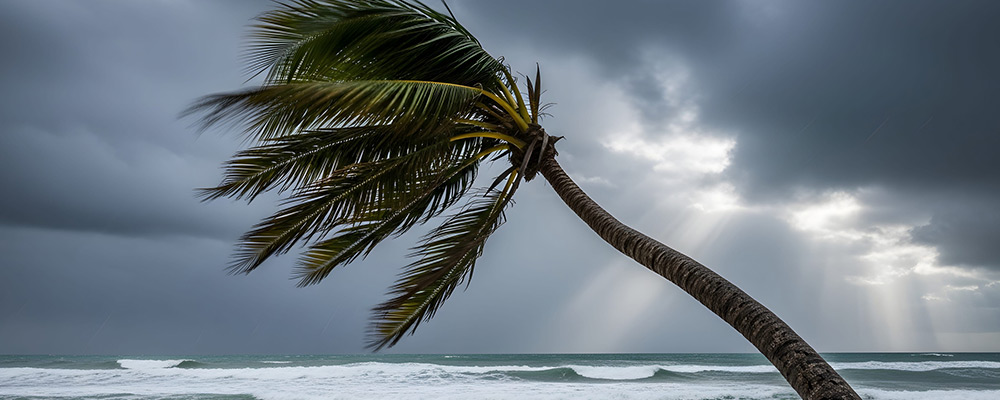
La temporada de huracanes comienza oficialmente el 06/01/1 y es importante que los habitantes del centro de Florida estén preparados antes de que llegue una tormenta. Tanto si es nuevo en el Estado del Sol como si es residente de larga duración, McCoy cares de proporcionarle los recursos e información que necesita para sentirse seguro durante toda la temporada. Consulte ahora nuestros consejos de preparación para evitar que lo arrastre una tormenta de frustración si se acerca un huracán.
Antes de que comience la temporada de huracanes: una lista de verificación para seguros
¿Posee usted electrónica cara o una colección personal especial? ¿Vive usted en la planta baja de un complejo de apartamentos o es propietario de su casa? Ya sea que haya respondido sí o no a estas preguntas, es importante asegurarse de estar cubierto cuando ocurra un acto de Dios.
Las necesidades de seguro varían según diversos factores personales. Investigar y establecer las políticas adecuadas puede aliviar la carga financiera más adelante en caso de pérdida o daño.
Revise su póliza de seguro de hogar. Asegúrese de contar con una cobertura adecuada para su hogar y sus pertenencias. Llame a su compañía de seguros si necesita ayuda para entender la cobertura, los deducibles o las exclusiones de su póliza.
Decida sobre el seguro contra inundaciones. Las inundaciones son una exclusión común del seguro de hogar y requieren una póliza separada. Existe un periodo de espera obligatorio de 30 días para que el seguro contra inundaciones entre en vigor, así que actúe rápido.
Contrate un seguro de inquilino si alquila. La póliza de seguro de hogar de su propietario no cubre sus pertenencias. Asegúrese de tener una póliza de inquilino antes de que se acerque una tormenta para protegerse contra pérdidas o daños en sus pertenencias.
Haga un inventario de su casa y sus pertenencias. Crear un inventario de vivienda ahora puede ahorrarle algo de estrés más adelante. El Instituto de Información de Seguros recomienda lo siguiente.
- Haga una lista de compras recientes para empezar su inventario y luego comience a añadir posesiones antiguas, indicando el valor estimado cuando sea posible.
- Cuente la ropa por categoría general (3 pares de vaqueros, 2 pares de zapatillas, etc.).
- Registre la marca, modelo y número de serie de los electrodomésticos principales y equipos electrónicos.
- Documente todo. Tome fotos de habitaciones enteras, armarios y cajones o recorra su casa mientras graba vídeos y describe objetos. Haga lo mismo con el exterior para mostrar el estado exterior de su casa antes de la tormenta.
A medida que avanza la temporada de huracanes: Prepare su hogar y su familia
Hay mucho que hacer para garantizar la seguridad de su hogar y su familia durante una tormenta. Hacer el trabajo pesado antes de que una tormenta esté en el radar puede ayudar a evitar el estrés y las largas colas en el supermercado o en el
ATM.
Elabore un plan de evacuación. Si le dijeran que evacue, ¿a dónde iría? ¿Cómo llegaría usted allí? Decidir dónde refugiarse en caso de tormenta depende de su proximidad a la costa y de si su vivienda puede soportar los fuertes vientos y la lluvia. Decida ahora dónde evacuar y cuál es la mejor ruta para llegar. Si tiene mascotas, busque hoteles que acepten mascotas en su destino o refugios locales que acepten mascotas.
Cree un plan de comunicación. Aunque la mayoría de nosotros tenemos nuestros contactos guardados en el móvil, ¿qué ocurre cuando el teléfono se apaga? Tómese un tiempo para anotar todos los contactos necesarios, como familiares o compañeros de piso, proveedores de servicios críticos, compañías de servicios públicos y contactos de compañías de seguros en caso de que necesite presentar una reclamación. Guarde esta lista junto con su documentación importante. Determine un lugar de encuentro para que usted y sus seres queridos puedan encontrarse con seguridad, si están separados.
Cree un kit de emergencia. Es importante contar con suficientes suministros esenciales para superar la tormenta y sus consecuencias. Se recomienda incluir alimentos no perecederos, agua y medicinas para cada persona en su hogar. La Cruz Roja Americana recomienda lo siguiente: un mínimo de 3 días para evacuación y 2 semanas para el hogar.
- Un galón de agua por persona, por día
- Alimentos no perecederos y fáciles de preparar
- Abrelatas manual
- Linternas
- Radio alimentada por pilas
- Baterías extra
- Botiquín de primeros auxilios
- Medicamentos y artículos médicos
- Herramienta multiusos
- Artículos de saneamiento e higiene personal
- Copias de documentos personales importantes
- Cargadores de móvil
- Suministros para bebés, si procede
- Suministros para mascotas, si procede
Consiga efectivo. Los cortes de luz podrían retrasar temporalmente el acceso a los pagos electrónicos en negocios y tiendas. Si funcionan, los cajeros automáticos tienen límites y se agotan en efectivo en tiempos de crisis. Guarde algo de efectivo a mano y guárdelo en un lugar seguro en casa hasta que lo necesite.
Cuando se acerque una tormenta: No se asuste, está listo
No espere a que el tiempo empeore antes de hacer un plan esta temporada de huracanes. Prepararse poco a poco ahora le ahorrará tiempo valioso más adelante.
McCoy está aquí para ayudar antes, durante y después de la tormenta, siempre que nos necesite. Cuídese esta temporada de huracanes.

